Hampstead Removals Costs: NW3 Price Guide
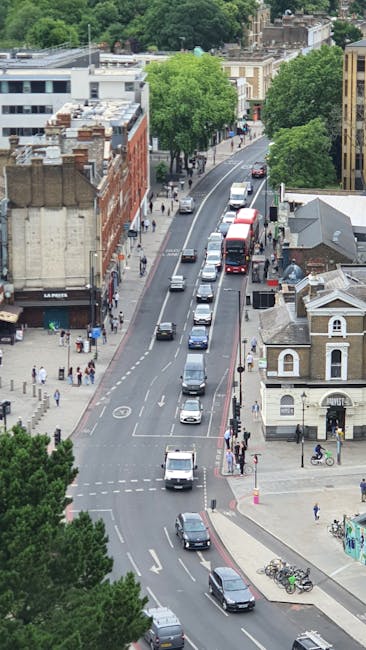
If you are planning a move in NW3, the first question is usually the same: how much is this going to cost? Hampstead removals costs can vary more than people expect, and that is partly because no two moves are truly alike. A compact flat near the Heath, a top-floor townhouse, a family home with awkward access, or a small office move on a busy street all come with different moving realities.
This guide breaks down Hampstead removals costs: NW3 price guide in plain English. You will see what affects the price, how movers usually quote, what extra services may change the total, and how to avoid the quiet little surprises that can blow a budget. Let's face it, moving is already stressful enough without mysterious add-ons appearing at the last minute.
Whether you are comparing man and van support, a fuller home move, or a more organised service with packing and transport, this article is designed to help you make a calm, informed decision. No fluff. Just the useful bits.
Why Hampstead Removals Costs: NW3 Price Guide Matters
NW3 is a desirable part of London, but it is also the kind of area where moving can be a little more complicated than the postcode suggests. Narrow roads, parking pressure, controlled access, basement flats, elegant but awkward staircases, and lots of time-sensitive logistics can all affect a removals quote. That is why a local price guide matters: it helps you understand what you are actually paying for, not just the headline number.
People often compare removal prices as if they were all interchangeable. They are not. One quote may include loading, transport, and basic protection. Another may include packing, dismantling furniture, waiting time, and heavier labour. The cheapest option is not always the best value, especially if it leaves you to do half the work yourself at 7 a.m. with boxes, tape, and a kettle you cannot yet find.
For Hampstead households and businesses, cost awareness also makes planning easier. If you know what drives price, you can choose the right type of move from the start: a simple man with van arrangement for a smaller load, a more complete home move service for a full property, or specialist help for larger, more delicate, or time-pressed relocations.
That clarity matters because moving costs are not just about money. They also affect timing, effort, and peace of mind. And in moving, peace of mind is worth something. Quite a bit, actually.
How Hampstead Removals Costs: NW3 Price Guide Works
Most removals companies build a quote around a few core variables. The exact pricing model differs by provider, but the same practical factors usually appear again and again. If you understand these, you can read a quote with a much sharper eye.
- Property size: A studio flat is a different job from a five-bedroom townhouse.
- Volume of items: The amount of furniture, boxes, and awkward objects affects both labour and vehicle size.
- Access: Stairs, lifts, long carries, tight corners, and parking distance all add time.
- Distance: A local NW3 move is usually priced differently from a longer London or regional move.
- Timing: Fridays, weekends, month-end dates, and peak moving periods often cost more.
- Service level: Packing, unpacking, dismantling, reassembly, and storage coordination can all change the total.
There is also a practical difference between hourly pricing and fixed quotes. Hourly pricing can suit small, straightforward moves. Fixed quotes can be better when the move is more involved and you want certainty. To be fair, neither is universally better; the right one depends on your load, your access, and how confident you are in the inventory list.
Some customers begin with a modest service like a man and van option because it feels simple and affordable. That can be a smart choice for a single flat or a few bulky items. But once you add multiple floors, fragile pieces, or a lot of packing, the economics can shift quite quickly.
If you are moving office furniture, equipment, or stock, the cost logic is similar but the risk profile changes. Business moves often need tighter scheduling, more careful handling, and less disruption to the workday. In those cases, specialist commercial moves planning can save money indirectly by reducing downtime. That is the bit people sometimes miss.
Key Benefits and Practical Advantages
A good removals price guide does more than list numbers. It helps you avoid waste, stress, and last-minute compromise. The real benefit is not simply paying less. It is paying appropriately.
- Better budgeting: You can plan deposits, overlap rent, packing materials, and moving-day expenses with less guesswork.
- Cleaner comparisons: You can compare like for like instead of trying to decode vague quotes.
- Fewer surprises: A clear understanding of access, labour, and extras reduces the chance of add-on charges.
- Smarter service choice: You can decide whether you need full removals, just transport, or a hybrid approach.
- Less physical strain: Proper planning means fewer rushed lifts, fewer damaged items, and fewer strained backs.
There is also an emotional benefit, which sounds soft but is actually huge. A move feels lighter when the money side is under control. You sleep better the night before. You make decisions faster on the day. You stop second-guessing every box. That alone can be worth the effort of reading a proper cost guide.
If you want extra help with packing, that can also change the value equation. Packing and unpacking services often reduce the hidden cost of your own time, especially if you are juggling work, children, or a tight completion window. People often forget to price their own weekend.
Who This Is For and When It Makes Sense
This guide is for anyone trying to understand removals pricing in Hampstead and the wider NW3 area. That includes first-time buyers, renters moving within the borough, downsizers, landlords, business owners, and anyone who has ever looked at a staircase and thought, "That sofa is not going to enjoy this."
It makes particular sense if you are:
- moving from a flat, maisonette, or townhouse in NW3
- comparing full removals against a smaller vehicle-based move
- trying to work out whether packing help is worth the extra spend
- moving offices, studios, or small commercial premises
- dealing with heavy, awkward, or delicate furniture
- trying to keep the move within a fixed budget
For some people, the right answer really is a straightforward van-and-driver arrangement. For others, especially families or busy professionals, a fuller service is simply more sensible. If your move includes beds, wardrobes, white goods, mirrors, and boxes stacked to the ceiling, then a more structured team with house removalists may actually be the more economical choice once time and risk are considered.
One small but important point: a cheap quote can be misleading if it assumes unrealistic loading speed or underestimates access issues. Hampstead properties have a way of making this happen. A short walk from the van to the door can become a lot longer when parking is awkward and the rain has that fine, cold London sting to it. You know the feeling.
Step-by-Step Guidance
If you want to approach your removals cost properly, use a simple process. It keeps the move organised and helps you avoid rushed decisions.
- List what is actually moving. Walk through each room and write down major furniture, boxes, appliances, and any fragile items.
- Check access at both ends. Note stairs, lifts, long carries, basement steps, permit parking concerns, and whether a larger vehicle can stop nearby.
- Decide your service level. Are you only needing transport, or do you want loading, packing, and unpacking support too?
- Ask for a quote that reflects the real move. A meaningful quote depends on accurate information. Leave out details, and the price can look attractive for all the wrong reasons.
- Compare what is included. Check labour hours, fuel, mileage, waiting time, furniture protection, assembly/disassembly, and boxes or materials if relevant.
- Plan for the day itself. Set aside essentials, protect valuables, and make sure the route from property to vehicle is clear.
For business moves, the process is similar but with one extra layer: timing. If staff need to work around the relocation, even a well-priced move can become expensive if it drags on. That is why structured office relocation services can be helpful. Less chaos, fewer interruptions, and a cleaner handover. Simple, really.
If you have a few awkward items, such as a single sofa or a heavy cabinet, a targeted furniture pick-up service may be more practical than booking a larger move. This is often a good middle ground when you do not need a full removals crew.
Expert Tips for Better Results
Here is where small decisions can save real money. Not dramatic savings, perhaps, but enough to matter when moving costs are already stacking up.
- Book early if your date matters. End-of-month and weekend slots fill quickly.
- Be brutally honest in your inventory. Understating the load almost always causes headaches.
- Separate essentials from storage items. If something does not need to be unloaded immediately, say so.
- Pre-pack where possible. Even basic packing before arrival can reduce labour time.
- Label rooms clearly. It makes unloading faster and less messy.
- Protect vulnerable floors and furniture. Hallways, painted walls, and polished wood can suffer on moving day.
A practical little trick: stand in each room and look at it as if you were moving it for the first time. You will notice hidden time traps, like items behind doors, oversized lamps, or that one cupboard that is full of things no one remembers buying. It happens all the time.
If you are unsure about the best vehicle size, ask about a moving truck option or a removal truck hire arrangement when the load is larger than a van can realistically handle. Too small and you risk multiple trips. Too big and you may pay for capacity you do not need. Balance matters.
Common Mistakes to Avoid
Most moving problems are not dramatic disasters. They are a series of small avoidable mistakes that pile up. The good news is they are usually easy to prevent once you know what to look for.
- Comparing quotes without checking what is included. A lower number may hide extra labour or limited service.
- Ignoring access issues. Stairs, parking, and long carries can change the job more than the furniture does.
- Forgetting packing time. The move does not begin when the van arrives; it begins days before.
- Leaving fragile items unprotected. Wrap, pad, and separate them properly.
- Booking too late. Last-minute moves often mean fewer options and higher stress.
- Assuming every service is interchangeable. A house move, furniture collection, and office relocation are not the same thing.
Another common issue is that people treat the cheapest quote as the smartest choice. Sometimes it is. Often it is not. If a move looks too cheap, ask why. Is the job small, or is something important missing? That question alone can save you a fair bit of trouble.
If you need a team that can focus on one-off loading or lighter relocation support, man with van or man and van services can work well, but only if the scope truly fits. The key is matching the service to the move, not the other way around.
Tools, Resources and Recommendations
You do not need fancy software to get organised, though a simple spreadsheet or notes app helps. What matters is having a clear picture before the quote is confirmed.
- Room-by-room inventory: Useful for pricing and for unloading decisions.
- Floor plan or basic sketch: Helps movers understand access and furniture placement.
- Box labels: Keep rooms and priorities clear, especially if you are moving on a tight schedule.
- Measurements of large items: Vital for wardrobes, beds, sofas, and appliances.
- Building access notes: Useful if there are entry codes, lift restrictions, or loading limitations.
For longer or more complicated jobs, it can also help to read the company's service information carefully. If you want to understand the business better before booking, the about us page can offer useful background. And if you are ready to ask specific questions, the contact page is the obvious next step.
One more practical recommendation: keep a short essentials box with chargers, toiletries, important documents, tea bags, and a snack or two. Sounds almost too simple, but moving day has a way of turning sensible adults into people searching for a phone charger with a torch in one hand and a half-open drawer in the other.
Law, Compliance, Standards, or Best Practice
For a removals move in London, there is usually no single "one size fits all" rulebook that dictates pricing. Still, reputable moving work should follow sound industry practice, common safety expectations, and ordinary care for property and possessions.
In practical terms, that means movers should handle items carefully, plan loading safely, communicate clearly about what is included, and avoid making vague promises they cannot keep. If parking or access depends on local rules, those arrangements should be considered in advance rather than guessed on the day. That part matters a lot in NW3, where a small mistake can mean wasted time and awkward traffic delays.
Customers also have responsibilities. You should disclose relevant access issues, be accurate about the size of the move, and make sure anything you want transported is ready in a safe, moveable condition. If you are asking a team to carry something unusual or unusually heavy, say so early. Better to have the honest conversation at quote stage than while two people are standing in a hallway wondering how a wardrobe got so determined.
For commercial moves, best practice is even more important because the cost of disruption can be higher. Clear labelling, planned sequencing, and good communication are not luxuries. They are what stop a simple move from becoming a messy one.
Options, Methods, or Comparison Table
Different moving options suit different jobs. The right choice depends on size, budget, access, and how hands-on you want to be.
| Option | Best for | Typical strengths | Possible drawbacks |
|---|---|---|---|
| Man and van | Small flats, single-room moves, light furniture | Flexible, often cost-effective, good for short local jobs | Less suitable for larger loads or highly complex access |
| Full home removals | Households with multiple rooms and more furniture | More support, better for larger or busier moves | Usually higher cost than a small transport-only job |
| Packing and unpacking | Busy households, fragile items, tight timelines | Saves time, reduces stress, can lower breakage risk | Adds to the overall move budget |
| Moving truck or truck hire | Bulky moves, high-volume loads, larger properties | Good capacity, fewer trips, better for bigger jobs | May be unnecessary for smaller moves |
Sometimes the best option is a blended one. For example, a family may book a fuller home move but leave packing for themselves except for breakables. That can be a sensible middle ground. Not everything needs to be outsourced, but not everything should be DIY either.
Case Study or Real-World Example
Imagine a couple moving from a two-bedroom flat near central Hampstead to a nearby street within NW3. They have a sofa, bed, dining table, sideboard, roughly thirty boxes, and a few fragile pieces. The building has a narrow stairwell, and parking is not guaranteed right outside.
If they ask only for a basic van quote, the number may look attractive at first. But once the mover has to factor in extra loading time, careful carrying, and awkward access, the actual job is more involved than it sounded. A better approach would be to describe the access clearly, list all furniture, and compare a small transport option against a fuller service.
In that scenario, the couple may find that a slightly more expensive fixed-price move is actually better value because it includes the labour they really need. They avoid delays, they protect the furniture, and they do not end up doing three extra trips in the evening after a long day of lifting and muttering. That is not theory. That is the kind of real decision people make every week.
If the move were for a small office instead, a similar principle would apply. A business might not need a huge vehicle, but it may need precise timing and a structured plan. That is why commercial jobs often benefit from specialised coordination rather than a bare-bones transport quote.
Practical Checklist
Use this checklist before you confirm your Hampstead removals booking:
- List every major item room by room.
- Measure anything bulky, awkward, or fragile.
- Check stairs, lift access, and parking at both addresses.
- Decide whether you need packing, loading, transport, or unpacking.
- Ask what the quote includes and what counts as an extra.
- Confirm the moving date, arrival window, and estimated duration.
- Separate valuables and essentials you will keep with you.
- Label boxes clearly by room and priority.
- Protect delicate items with proper wrapping and padding.
- Keep contact details handy in case anything changes on the day.
One little note from experience: if you think something might be a problem, mention it. The cracked shelf, the tight alley, the parking permit, the awkward piano stool-bring it up early. Movers prefer honesty over surprises. So do customers, once the dust settles.
Get a free quote today and see how much you can save.
Conclusion
Hampstead removals costs are easiest to understand when you stop looking for a single magic number and start looking at the real shape of the move. Property size, access, distance, timing, and service level all affect the final figure. Once you know that, the price guide becomes a useful decision tool rather than just another page of moving jargon.
The best outcome is not always the cheapest quote. It is the one that matches your move properly, protects your belongings, and keeps the day calm enough to manage. That might mean a compact van job, a full household move, or a more structured service with packing support. Either way, clarity saves money in the long run. Usually time too.
And truth be told, a well-planned move in NW3 can feel surprisingly manageable. Not easy, exactly. But manageable. Which, on moving day, is a very good place to be.
Frequently Asked Questions
How much do Hampstead removals usually cost?
Costs vary depending on the size of the property, the number of items, access conditions, timing, and the type of service you choose. A small local move will usually cost less than a full household relocation or office move, especially if packing and handling are included.
Is a man and van service cheaper than full removals?
Usually, yes for smaller jobs. A man and van service can be a practical, lower-cost option for lighter loads, single rooms, or furniture collection. For larger or more complex moves, though, full removals may offer better value because they reduce the amount of work you need to do yourself.
What makes a Hampstead move more expensive?
Common cost drivers include stairs, limited parking, long carry distances, larger volumes of furniture, fragile items, and peak moving dates. In NW3, access is often a bigger factor than people expect. A short distance on the map can still be a more demanding job in real life.
Should I choose an hourly rate or a fixed quote?
Hourly pricing may suit simple, straightforward moves. Fixed quotes are often better when the move is more complex and you want certainty. The best choice depends on how accurately the load and access can be predicted. If there is any uncertainty, a fixed quote can be easier to budget for.
Do packing services change the removals cost a lot?
They can, but they also reduce the time and effort you spend preparing. For busy households or fragile items, packing and unpacking services can be worth the extra cost because they save stress and can make the move run more smoothly.
How can I reduce my moving costs in NW3?
Declutter before you book, pack what you can in advance, be accurate about your inventory, and choose the right size of service for the job. Also, avoid booking at the last minute if your date is flexible. Simple steps, but they do add up.
Are commercial moves priced differently from home moves?
Often they are, because business moves may need stricter timing, more coordination, and extra care around equipment or stock. A good commercial move quote should reflect the amount of planning and disruption involved.
Can I book removals just for furniture collection?
Yes, if you only need a few items moved, that can be a sensible choice. A furniture pick-up service is often a good fit for bulky single items or smaller collections when a full move would be unnecessary.
What should I ask before I accept a quote?
Ask what is included, whether waiting time is charged, how access issues are handled, whether packing materials are included, and what happens if the load is bigger than expected. A good quote should be clear enough that you do not need to decode it like a puzzle.
Is moving in Hampstead harder than in other London areas?
It can be, mainly because local access, parking, property layouts, and traffic can make the logistics more involved. That does not mean every move is complicated, but it does mean local experience matters.
When should I book my move?
As early as you can if your date matters, especially for weekends, month-end slots, or busy seasonal periods. Early booking gives you more options and usually makes the whole process calmer. Which, honestly, is half the battle.
What if I only need a truck, not a full crew?
If your move is large enough to need transport capacity but you do not need a full team, a vehicle-based option may be more suitable. Depending on the size of the load, moving truck or removal truck hire may be worth considering.
Where can I ask for more details or get started?
If you want to discuss your move, the simplest next step is to use the contact page. If you want background on the company first, the about page is a good place to begin.